
Strengthening Maternal Health in Rural Communities: A Training Initiative by FAR and MOM
Updated: Aug 11
For Anna Navasardyan, a resident of Noramarg village in Ararat Province, motherhood is familiar territory. She is now expecting her fifth child.
Still, despite her experience as a mother, Anna says she gained a great deal of new knowledge from recent maternal and child health training.
“There is no shortage of information on the internet today, but it is very important to receive accurate information. It matters where the information comes from and who is providing it,” Anna says. “I am very happy I took part in this training. It came into my life at exactly the right time.”

The training was part of a broader initiative implemented by the Fund for Armenian Relief, in partnership with the Michael Odent Mother Center (MOM), to strengthen maternal and child health knowledge among healthcare professionals serving communities with large populations of people forcibly displaced from Artsakh. The initiative was made possible through the generous support of St. Leon Armenian Church, helping bring trusted health information to healthcare professionals, women, and families in rural communities.
As part of the initiative, 41 primary healthcare specialists completed a Training of Trainers (ToT) course on maternal and child health. The course, “Safe Life from the First Breath: Birth is a Right,” was developed through collaboration between the National Institute of Health of the Ministry of Health of the Republic of Armenia, the Michael Odent Mother Center, and FAR.
For healthcare professionals, the training offered an opportunity to deepen their knowledge and become better equipped to address the questions and concerns of mothers and expectant mothers.
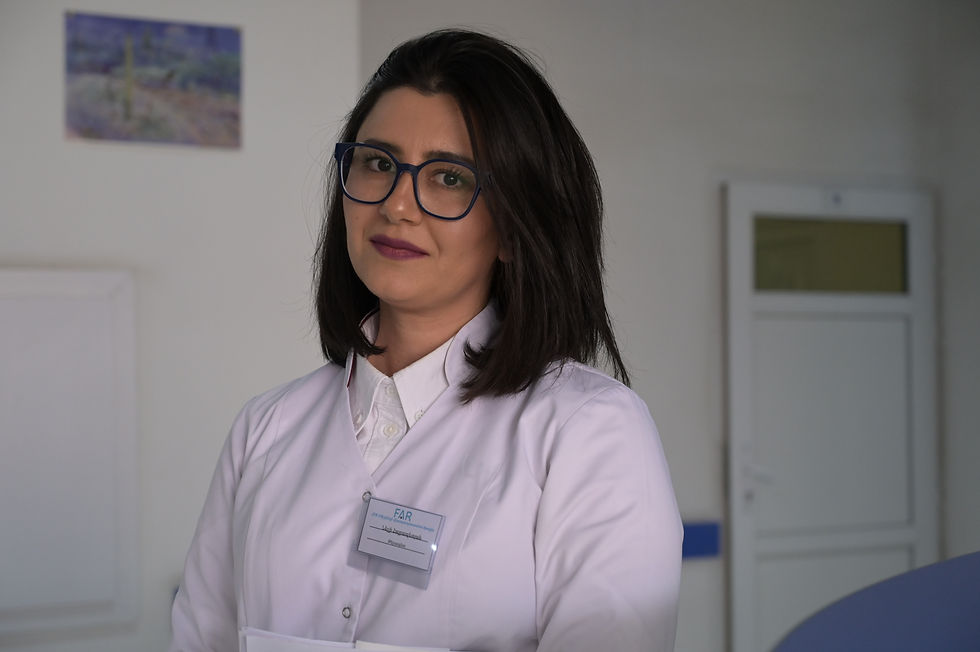
Tsaghik Manvelyan, director of the Aygezard Primary Healthcare Center in Ararat Province, says the training helped her team better understand the needs of the women they serve.
“All the topics were important, but I was especially interested in understanding which issues were most relevant to the women in our community. Our experience showed that contraception was one of the most frequently requested topics,” she says.
Following the doctors’ training, six of the participants were selected as local instructors and went on to conduct community health sessions for women in Ararat Province (Noramarg and Aygezard), Kotayk Province (Nor Hachn), and Gegharkunik Province (Chambarak and five surrounding villages).
In total, the community sessions reached 425 women, including displaced women from Artsakh and women from host communities. Participants received information brochures and hygiene kits.
For Mary Andreasian, a woman displaced from Artsakh who now lives in Masis, the training offered clear and practical answers to questions she had not previously understood.
“Whether or not you ever encounter these situations in your own life, it is important to have this knowledge. This kind of information is especially necessary in rural communities,” she adds.
For participants like Ani Ghazaryan, who was also displaced from Artsakh, the value of the sessions was simple and practical.
“It is wonderful that initiatives like this are being organized. They give people knowledge and make it easier to care for children—and for mothers themselves,” she says.
In Gegharkunik Province, the demand was also strong. Melanya Sargsyan, an obstetrician-gynecologist at Chambarak Medical Center, says training sessions in Chambarak and nearby villages attracted 20–30 participants per group. Over four-hour sessions, women discussed pregnancy, nutrition, contraception, and other important aspects of women’s health.
Sometimes, access to the right information—clear, trustworthy, and delivered by a healthcare professional—can make all the difference.


This initiative effectively demonstrates the 'Training of Trainers' model for strengthening maternal and child health knowledge in underserved areas. It's insightful that topics like contraception were identified as frequently requested, underscoring the need for tailored, practical information delivered by trusted professionals. Exploring similar community health interventions can provide additional context eSIM New Zealand.